
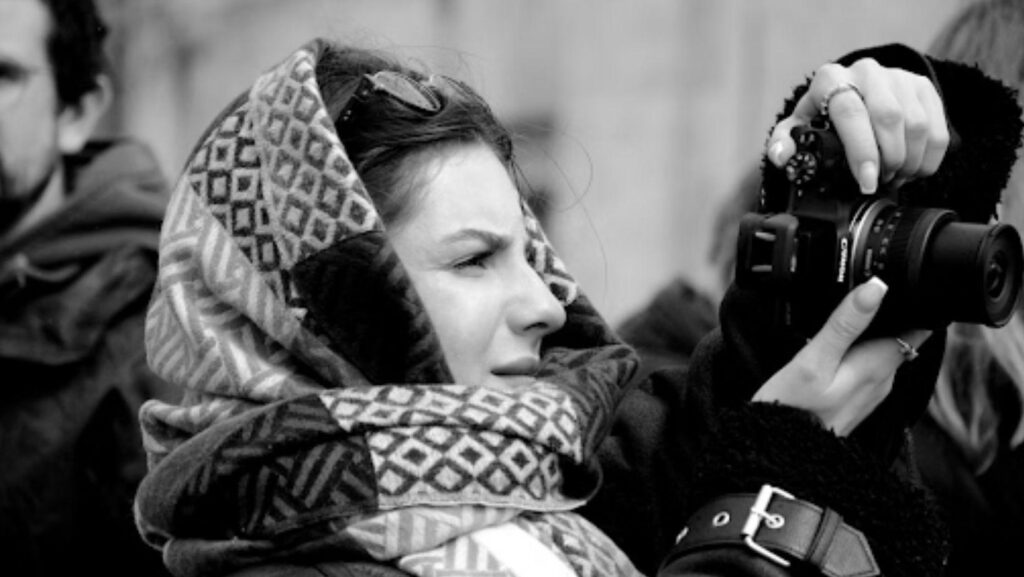
A camera can make an ordinary walk feel more deliberate. The person behind it notices a chipped blue door, afternoon light on a table, or the quiet space between two buildings. For someone carrying a difficult experience, that narrow field of view may feel easier to approach than the whole story.
Here, therapeutic photography refers to intentional image-making or viewing used for personal reflection. It can offer a way to notice reactions, work with personal symbols, or approach an experience at a manageable pace.²˒³
Personal image-making is not psychotherapy and should not be presented as a stand-alone treatment for PTSD. Information about structured PTSD treatment options can clarify the role of formal care, while camera work remains a private way to reflect, notice, or communicate.⁵
What changes inside a frame
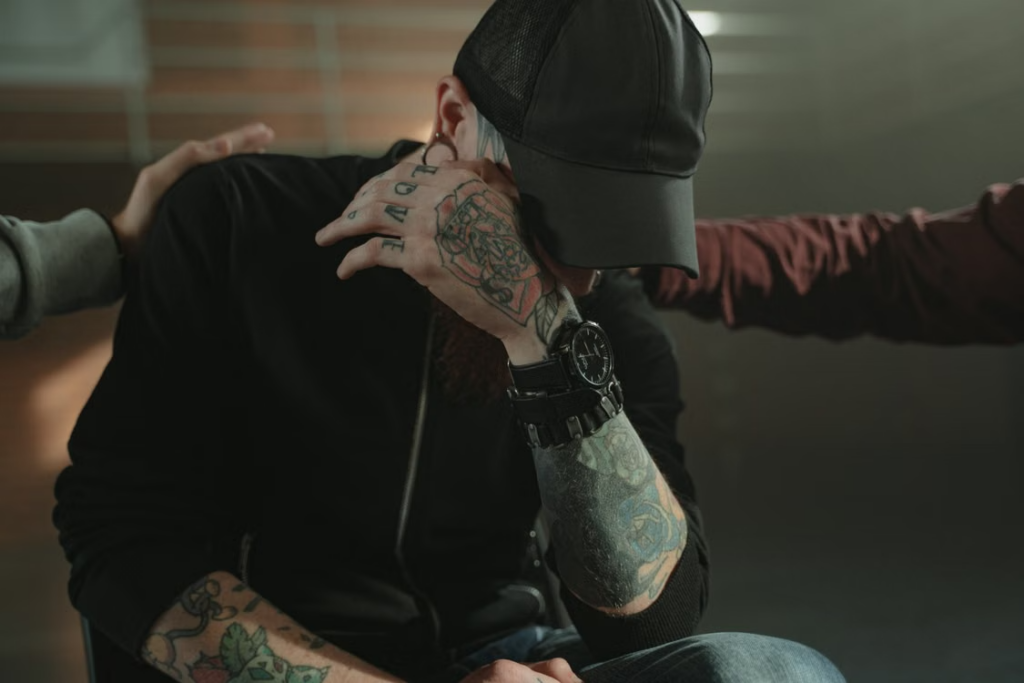
After exposure to trauma, some people experience intrusive memories, avoidance, changes in mood or thinking, sleep problems, or a body that seems to stay on alert. The clinical picture of PTSD can include several of these patterns, but the mix and intensity differ. Not everyone who experiences trauma develops PTSD, and a photograph cannot identify a diagnosis or explain the cause of a reaction.
A viewfinder narrows the task to a few immediate choices: what enters the frame, what stays outside it, how close to stand, and when to stop. For some people, that structure may make reflection feel more manageable; others may find the camera distracting or emotionally activating.²˒³
Meaning without full disclosure
An image can carry symbolism without requiring a complete spoken account. A closed curtain may represent protection to one person and loneliness to another. A repaired mug may hold a history, or it may simply be a repaired mug. Meaning is not built into the photograph, so friends, family members, and clinicians should not decode it from the outside.
A short sequence can also create an everyday narrative. Three images might show arrival, pause, and departure, or the changing light in one room. A short caption may help the photographer identify what stood out and give the sequence a simple shape.⁴
Keeping the practice low pressure
The subject does not need to be the traumatic event itself. Less personally charged themes might include familiar textures, an object connected with routine, signs of repair, or a view from a comfortable place. There is no requirement to photograph a meaningful location, another person, or your own face.
A defined stopping point, such as one walk, one room, or five frames, makes the scope visible. The photographer can review images later rather than immediately. Keeping, editing, captioning, and sharing are separate choices. Deleting an image is also a complete decision, not a lost opportunity.
Consent and privacy matter here. Consent should come before photographing another person, particularly during a vulnerable moment. Location data, cloud backups, and shared albums can expose more than expected, so privacy settings deserve a quick check. Personal images should never be posted or sent onward without the photographer’s clear agreement.
Reviewing images without turning them into a test
Looking back at the photographs can feel different from taking them. The review may bring up details that were missed in the moment, or it may feel flat and unimportant.
Starting with concrete observations can keep the review focused on what is visible. Attention can stay with which image feels easiest to view, where the eye lands, what colors repeat, and which frame feels too close. A caption can remain descriptive, such as “late light on the kitchen wall,” rather than trying to explain an entire emotional history.
Patterns may become meaningful over time, but they may also reflect habit, weather, or visual preference. Not every photograph needs to carry a larger meaning.
When the camera brings up too much
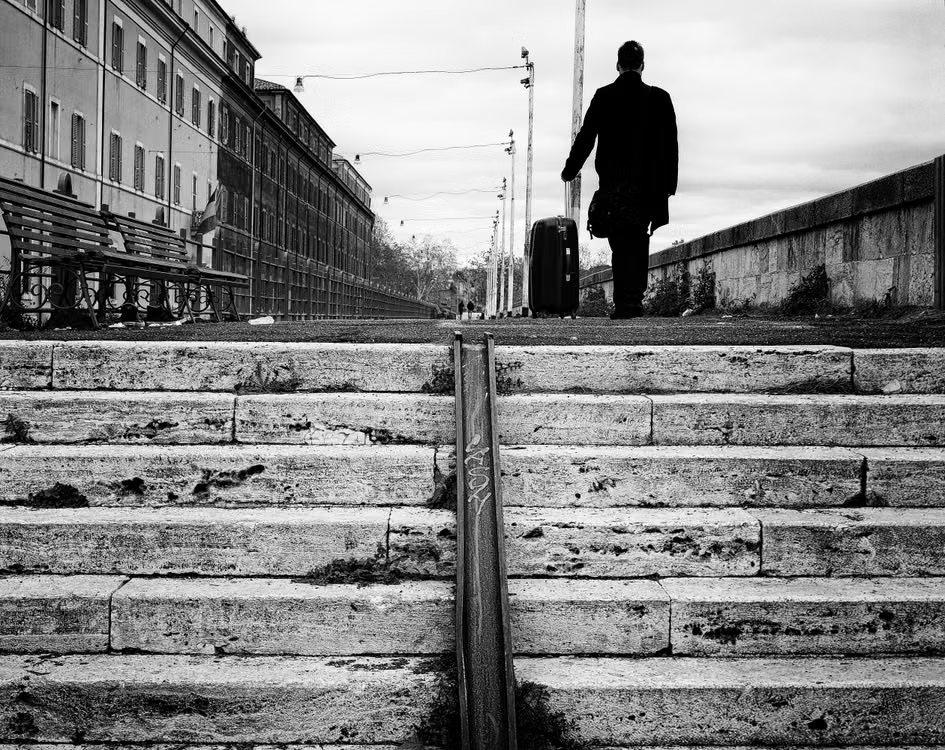
Creative work can bring up strong emotion. It may be time to pause if panic rises quickly, you feel detached from your surroundings, an unwanted memory becomes vivid, or distress continues after the camera is put away.¹
At that point, pause the activity and reconnect with the present setting. Simple orientation might include naming the current place and date, noticing a stable surface, or contacting a trusted person.
Do not use photography to deliberately seek triggers or recreate exposure exercises alone. Trauma-focused exposure is structured clinical work and should be delivered within appropriate professional care.⁵ Frequent or worsening symptoms, disrupted sleep, difficulty functioning, or concern about personal safety are reasons to contact a qualified mental health professional.¹
Where photography fits alongside clinical care
Research on participatory and therapeutic photography describes possible benefits such as reflection, creative expression, and greater self-knowledge. However, the evidence remains limited and does not establish self-directed photography as a treatment for PTSD.²˒³
Formal PTSD care involves assessment and a discussion of supported treatment options. Trauma-focused psychotherapies such as Cognitive Processing Therapy, Prolonged Exposure, and EMDR have the strongest research support.⁵ Treatment decisions may also reflect a person’s preferences and conversations with their provider.⁶
A personal photo practice may still enter a therapy conversation when the person wants it to. An image might help identify a topic, describe a feeling, or establish what remains off limits. The clinician should not impose a meaning or use the photograph as a shortcut around consent or pacing.⁴
Supporting someone who uses photography to reflect
Support begins with respecting ownership. A useful question is, “Would you like me to look, listen, or give you space?” Avoid pressing for a backstory, interpreting symbols, or praising disclosure in a way that creates pressure to reveal more. The person who made the image decides what can be discussed and shared.
Practical support may be as simple as protecting uninterrupted time, helping secure private storage, or joining a neutral photo walk without turning it into therapy. Changes outside the project matter too. More nightmares, withdrawal, irritability, fear, or difficulty with daily routines may indicate that additional support is needed.¹ A calm suggestion to speak with a clinician is more useful than trying to analyze the images.
A realistic role in recovery
Recovery from trauma is rarely captured in a single image. Used with clear limits, therapeutic photography may offer a contained way to notice the present, work with personal symbols, and communicate without saying everything at once.²˒³˒⁴
Creative image-making can support reflection, while diagnosis and treatment belong to clinical care. Progress may be quiet: recognizing a limit, asking for support, or returning attention to ordinary life with a little more steadiness.
Safety Disclaimer
In the United States, if you or someone you love is in crisis, call 911 or go to the nearest emergency room. You can also call or text 988, or use the 988 Suicide & Crisis Lifeline chat. Support is free, confidential, and available 24/7.
Author Bio
Earl Wagner is a health content strategist focused on behavioral systems, clinical communication, and data-informed healthcare education.
Sources
- National Institute of Mental Health. (2024, December). Traumatic events and post-traumatic stress disorder (PTSD). https://www.nimh.nih.gov/health/topics/post-traumatic-stress-disorder-ptsd
- Buchan, C. A. (2020). Therapeutic benefits and limitations of participatory photography for adults with mental health problems: A systematic search and literature review. Journal of Psychiatric and Mental Health Nursing, 27(5), 657–668. https://doi.org/10.1111/jpm.12606
- Saita, E., & Tramontano, M. (2018). Navigating the complexity of the therapeutic and clinical use of photography in psychosocial settings: A review of the literature. Research in Psychotherapy: Psychopathology, Process and Outcome, 21(1), Article 293. https://doi.org/10.4081/ripppo.2018.293
- Sinko, L., & Saint Arnault, D. (2021). Photo-experiencing and reflective listening: A trauma-informed photo-elicitation method to explore day-to-day health experiences. Public Health Nursing, 38(4), 661–670. https://doi.org/10.1111/phn.12904
- Norman, S., Hamblen, J., & Schnurr, P. P. (2025, November 17). Overview of psychotherapy for PTSD. PTSD: National Center for PTSD, U.S. Department of Veterans Affairs. https://www.ptsd.va.gov/professional/treat/txessentials/overview_therapy.asp
- Larsen, S. E., Hooyer, K., Kehle-Forbes, S. M., & Hamblen, J. L. (2024). Patient experiences in making PTSD treatment decisions. Psychological Services, 21(3), 529–537. https://doi.org/10.1037/ser0000817